Design
Why Sonora doesn't have a screen you tap
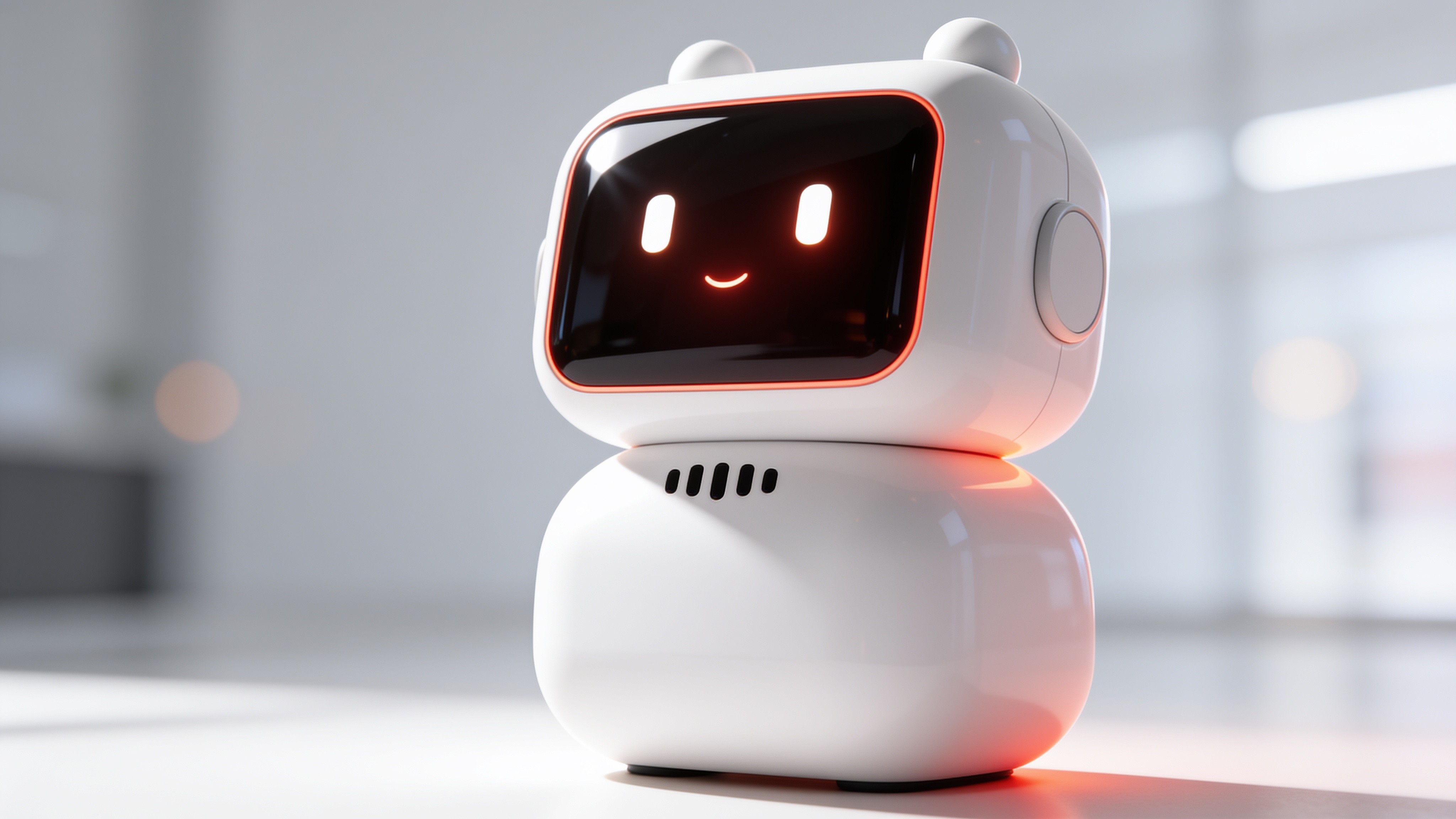

When we started building Sonora, the first prototype had a screen. A nice one. You could tap it, swipe through menus, check the weather with your finger.
We threw it out.
Here's why, and what we learned along the way.
The screen was solving the wrong problem
A screen feels like the safe choice. Every device has one. It's how people expect to interact with technology. But the more we lived with the prototype, the more we noticed something: we were walking over to it. Picking it up. Tapping through screens to do things we could have just said.
The screen didn't make Sonora easier to use. It made it one more thing to check.
What we wanted instead
We kept coming back to one idea: a device you talk to like a person. And people don't have screens on their faces. You ask, they answer. That's the whole interaction.
So we set three rules for ourselves:
No screen to tap. If you have to look at it, we failed.
No app to open. Setup happens out loud, in under a minute.
No menus to learn. If your parent can't use it on day one, it's too complicated.
Every decision after that got easier, because we had something to measure against.
The hard part
Removing the screen meant the voice had to carry everything. Confirmation, errors, personality, the small moments that make a device feel alive. That's a much harder problem than drawing a button.
We spent months on things you'll never see:
How long Sonora waits before it answers, so it feels like it's listening, not interrupting.
The exact tone of "got it," so it sounds warm and not robotic.
What happens when it doesn't understand, without making you feel stupid.
The face on the front isn't a screen you interact with. It's expression. It blinks, it smiles, it shows you it heard you. You don't tap it. You just glance, and you know.
What we kept
Not having a screen doesn't mean hiding information. When Sonora reads your morning, you hear it. When it sets a timer, the face shows it counting. The device communicates constantly, just never in a way that asks you to stop what you're doing and look down.
That's the difference we were chasing. Technology that helps without pulling you in.
Where we landed
Sonora is the first device we've built that we actually forget is a device. It sits on the counter, it listens, it helps, and it stays out of the way. No screen to check, no app to open, no setup to dread.
It took ripping out the obvious answer to get there. We think it was worth it.
